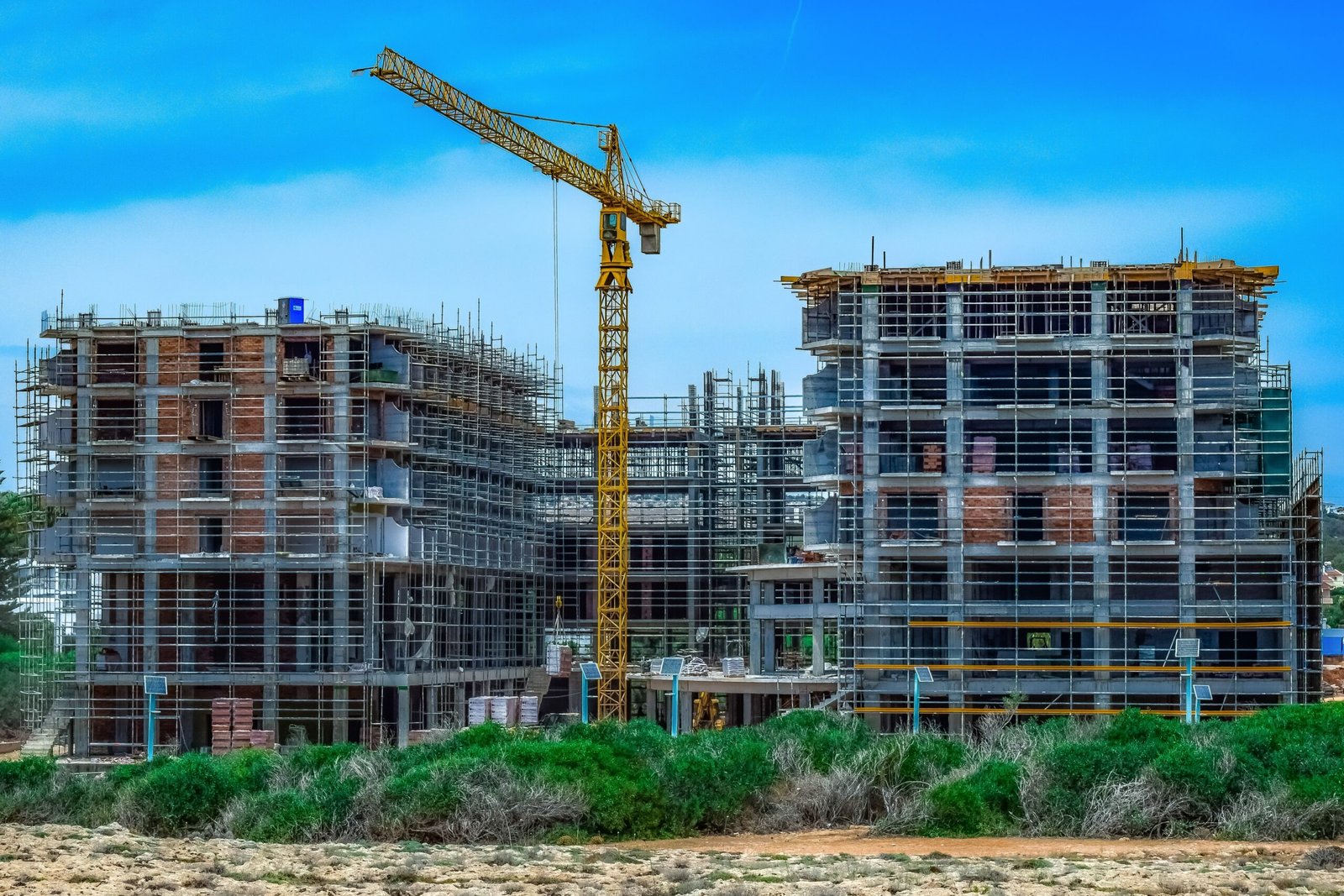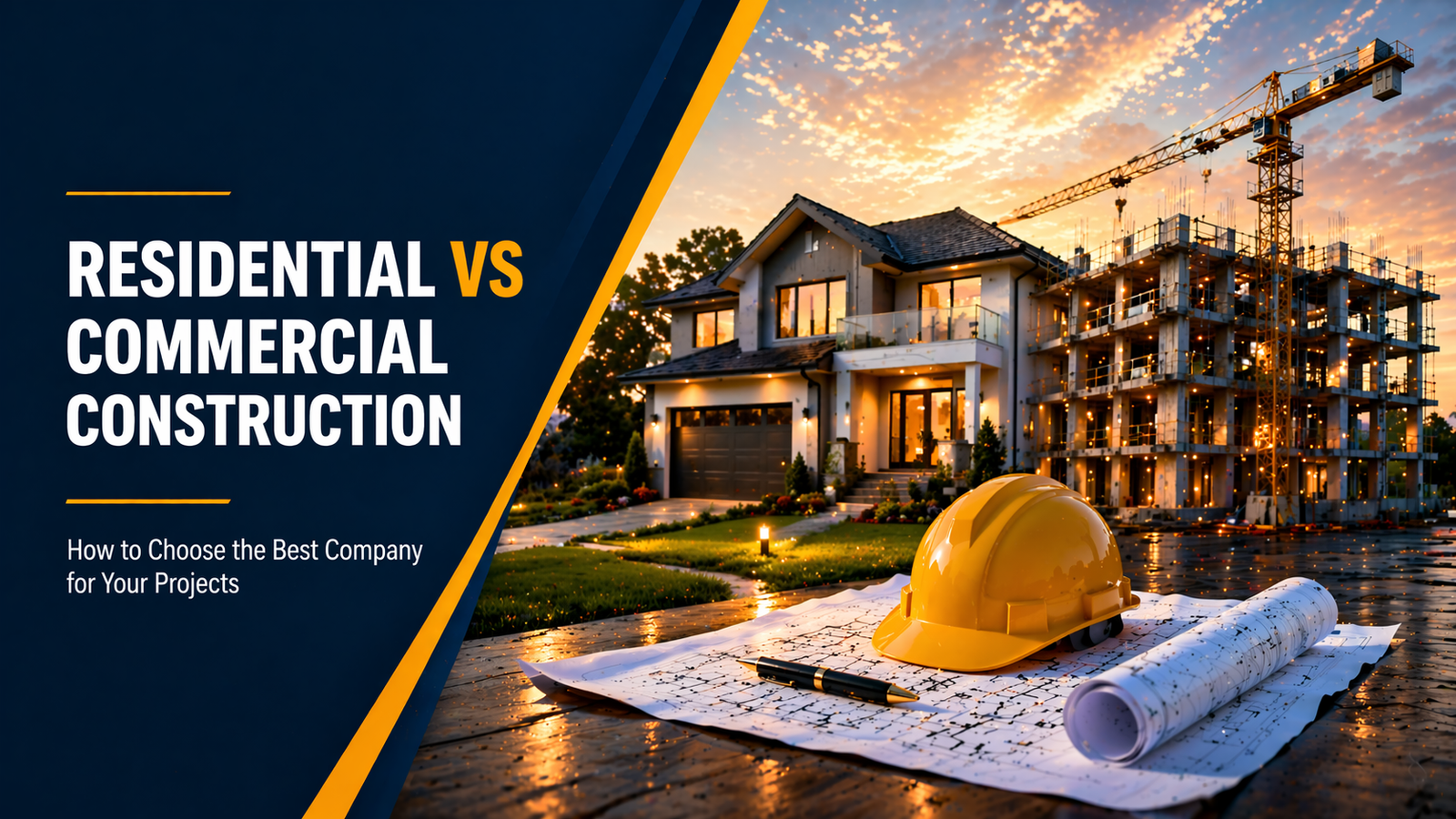
Understanding cost differences between project types is essential for planning a successful construction investment. The financial structure of a project varies significantly depending on whether it falls under residential or commercial categories. When analyzing residential vs commercial construction, cost is one of the most defining factors that influences decisions, timelines, and overall project feasibility.
Residential Construction Costs
Residential construction is generally more flexible in terms of budgeting, but costs can vary widely depending on design choices, materials, and customization levels.
1. Land Preparation
Before construction begins, the land must be cleared, leveled, and prepared for building. This may include soil testing, excavation, and foundation setup. In residential project planning, these costs are usually moderate but can increase if the land has uneven terrain or poor soil conditions.
2. Materials and Finishes
Material selection plays a major role in determining overall costs. From basic construction materials like cement and steel to finishing elements such as tiles, paint, and fixtures, every choice impacts the budget. Homeowners often opt for personalized finishes, which can increase expenses significantly.
3. Labor Costs
Labor is a substantial component of residential construction. Skilled and unskilled workers are required for different stages of the project. Labor costs may vary based on location, project complexity, and the expertise required.
4. Interior Customization
One of the defining aspects of residential project planning is customization. From modular kitchens and wardrobes to lighting and décor, interior design choices can significantly increase the total cost. Unlike commercial projects, residential construction often prioritizes personalization over standardization.
Overall, residential costs are influenced by lifestyle preferences, material quality, and design complexity. While they may appear manageable initially, frequent design changes and upgrades can increase the final budget.
Commercial Construction Costs
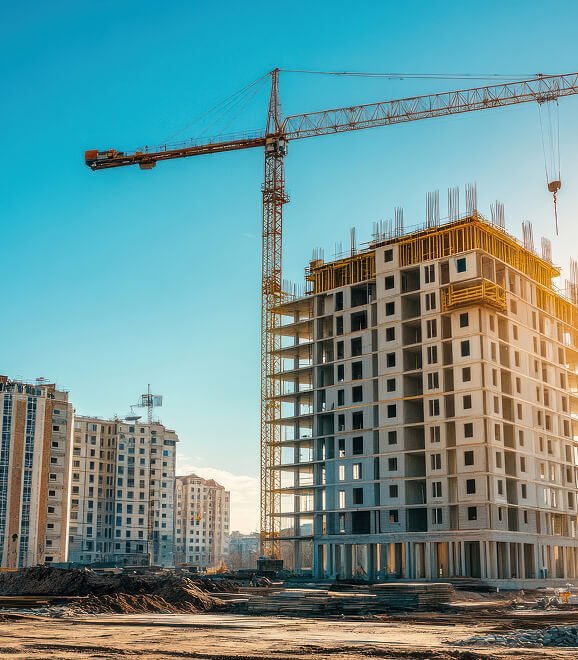
Commercial projects involve larger investments and more complex cost structures. In commercial building construction, expenses are driven by functionality, compliance, and long-term operational efficiency.
1. Structural Framework
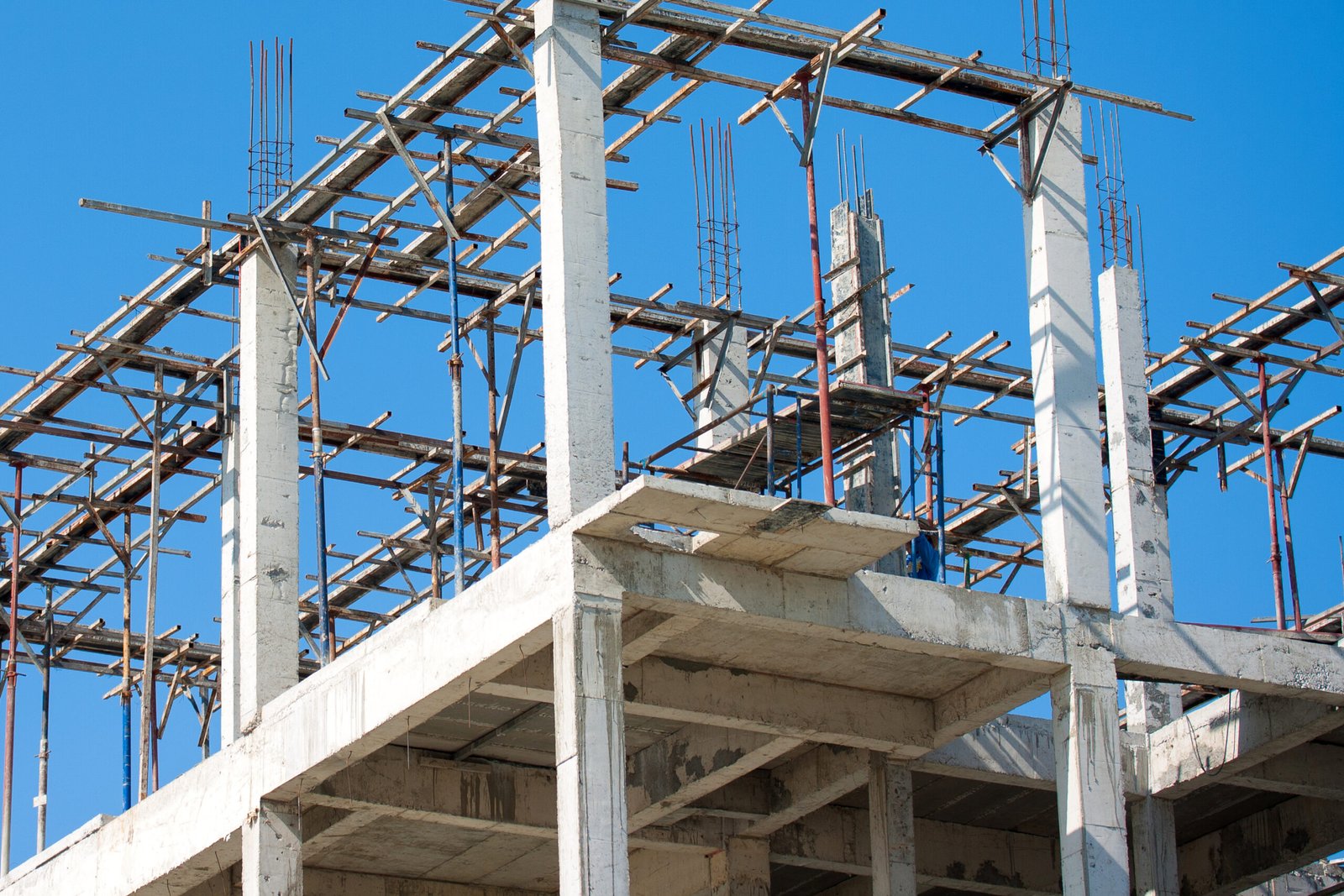
The structural design of commercial buildings is more robust and complex. High-rise buildings, large spans, and heavy load requirements demand advanced engineering solutions. This significantly increases the cost compared to residential structures.
2. Mechanical and Electrical Systems
Commercial buildings require sophisticated systems such as HVAC (heating, ventilation, and air conditioning), fire safety systems, elevators, and advanced electrical networks. These systems are essential for operational efficiency and safety, making them a major cost component.
3. Safety Compliance and Regulations
Strict regulations govern commercial construction. Costs include obtaining permits, meeting safety standards, and ensuring compliance with building codes. These requirements are far more extensive than those in residential construction.
4. Infrastructure Development
Commercial projects often require additional infrastructure such as parking areas, drainage systems, and access roads. These elements are essential for functionality and add to the overall project cost.
In summary, commercial building construction involves higher costs due to scale, complexity, and compliance requirements. However, these investments are justified by the potential for long-term returns and business growth.
Risk Management in Construction Projects
Every construction project carries inherent risks that can impact timelines, budgets, and quality. Effective risk management is essential for ensuring smooth building development and protecting your construction investment. Understanding risks in residential vs commercial construction allows stakeholders to prepare and respond proactively.
Common Risks
1. Budget Overruns
Unexpected expenses can arise due to design changes, material price increases, or poor planning. Budget overruns are one of the most common challenges in construction projects.
2. Project Delays
Delays can occur due to weather conditions, labor shortages, or supply chain disruptions. In commercial projects, delays can have significant financial implications due to missed business opportunities.
3. Labor Shortages
A shortage of skilled workers can slow down progress and affect quality. This is particularly critical in specialized areas of commercial building construction.
4. Material Price Fluctuations
The cost of raw materials such as steel and cement can vary due to market conditions. These fluctuations can impact the overall budget.
5. Regulatory Challenges
Delays in approvals or failure to comply with regulations can halt construction activities and lead to legal complications.
Risk Mitigation Strategies
1. Detailed Planning
Comprehensive planning is the first step in minimizing risks. Clearly defining project scope, budget, and timeline reduces uncertainties.
2. Hiring Experienced Contractors
Experienced construction companies are better equipped to handle challenges and ensure efficient project execution.
3. Regular Monitoring
Continuous monitoring helps identify issues early and allows for timely corrective actions.
4. Contingency Budgeting
Setting aside a contingency fund ensures that unexpected expenses can be managed without disrupting the project.
5. Clear Contracts
Well-defined contracts outline responsibilities, timelines, and penalties, reducing the risk of disputes.
Effective risk management not only protects your investment but also ensures smoother execution and better outcomes.
Importance of Planning in Construction
Planning is the backbone of any successful construction project. Without proper planning, even the best resources and contractors cannot guarantee success. In residential vs commercial construction, planning approaches differ significantly, but both require strategic thinking and attention to detail.
Residential Project Planning
Residential project planning focuses on creating a comfortable and functional living space tailored to the homeowner’s needs.
1. Personal Preferences
Homeowners often have specific design preferences, including layout, materials, and finishes. Planning ensures these preferences are incorporated effectively.
2. Space Utilization
Efficient use of space is crucial in residential projects. Proper planning ensures that every area is functional and aesthetically pleasing.
3. Budget Management
Balancing design aspirations with budget constraints is a key aspect of residential planning. Proper planning helps avoid overspending.
4. Aesthetic Design
Visual appeal plays a major role in residential construction. Planning ensures a cohesive design that reflects the homeowner’s style.
Commercial Building Construction Planning
Planning in commercial projects focuses on efficiency, scalability, and return on investment.
1. Operational Efficiency
The layout and design must support smooth business operations. This includes workflow optimization and accessibility.
2. Compliance Requirements
Commercial projects must meet strict legal and safety standards. Planning ensures all regulations are addressed from the start.
3. Scalability
Future expansion is often a consideration in commercial building construction. Planning allows for flexibility and growth.
4. Return on Construction Investment
Every decision in commercial planning is driven by profitability and long-term value.
Both residential and commercial projects require detailed planning, but their priorities and objectives differ significantly.
Legal and Contractual Considerations
Legal clarity is a critical component in construction projects, particularly in large-scale commercial building construction where risks and investments are significantly higher. A well-structured contract establishes accountability, minimizes disputes, and ensures seamless coordination between stakeholders throughout the project lifecycle.
Key Elements to Include
1. Project Scope
Clearly defining the scope prevents ambiguities and aligns stakeholder expectations.
It should include detailed technical specifications, drawings, deliverables, exclusions, and change management protocols to control scope creep during execution.
2. Timeline
A detailed timeline outlines project milestones, deliverables, and completion schedules.
Incorporating critical path analysis and buffer periods helps mitigate delays and ensures efficient project execution.
3. Budget
Specifying the total cost structure ensures financial transparency and control.
A comprehensive budget should include cost estimates, escalation clauses, and contingency provisions to safeguard the overall construction investment.
4. Payment Terms
Payment schedules should be milestone-based and clearly documented.
Linking payments to certified progress stages ensures financial discipline and reduces the risk of disputes between parties.
5. Quality Standards
The contract must define material specifications, workmanship standards, and compliance requirements.
It should also include third-party inspections, testing protocols, and adherence to industry benchmarks for consistent building development quality.
6. Penalty Clauses
Penalty provisions enforce accountability for delays and contractual breaches.
These clauses should clearly define liquidated damages, performance guarantees, and compensation mechanisms for non-compliance.
Legal agreements are especially crucial in residential vs commercial construction, as commercial projects demand higher compliance, risk mitigation, and structured execution frameworks.
Sustainability and Modern Construction Trends
Sustainability has become a major focus in modern construction. With increasing awareness of environmental impact, both residential and commercial projects are adopting eco-friendly practices.
Key Trends
1. Green Building Materials
Using sustainable materials such as recycled steel, bamboo, and eco-friendly concrete reduces environmental impact.
2. Energy-Efficient Designs
Designs that optimize natural light and ventilation reduce energy consumption.
3. Smart Building Technologies
Automation systems improve efficiency and enhance user experience.
4. Waste Reduction Practices
Efficient material usage and recycling minimize construction waste.
Incorporating sustainability into building development not only benefits the environment but also reduces long-term operational costs.
Ensuring Smooth Project Execution
Successful project execution requires coordination, communication, and continuous monitoring. Even with proper planning, execution determines the final outcome.
Let us see these factors in detail.
1. Regular Communication
Consistent updates between stakeholders ensure alignment and quick decision-making.
2. Timely Decision-Making
Delays in approvals or decisions can slow down progress and increase costs.
3. Quality Checks
Regular inspections ensure that work meets required standards.
4. Efficient Coordination
Coordination between teams, suppliers, and contractors is essential for smooth execution.
Working closely with your construction company ensures that the project stays on schedule and meets expectations.
Final Word:
Choosing the right construction company requires balancing expertise, transparency, and alignment with your project goals. Whether you are embarking on residential project planning or commercial building construction, understanding the nuances of residential vs commercial construction helps you make smarter decisions.
By focusing on reputation, financial stability, and innovation in building development, you can ensure your construction investment delivers long‑term value.
Frequently Asked Questions
1. What is the difference between residential vs commercial construction?
Residential vs commercial construction mainly differs in purpose, scale, and complexity. Residential projects focus on homes and living spaces with more customization, while commercial construction involves business buildings that require strict regulations, advanced systems, and higher investment.
2. How do I choose the right construction company?
To choose the right construction company, evaluate their experience in similar projects, check certifications, review past work, and assess communication. A reliable contractor should also provide transparent pricing and demonstrate strong project execution capabilities.
3. Why is experience important in construction?
Experience ensures that the contractor can handle project challenges, manage resources efficiently, and maintain quality standards. It is especially important in commercial building construction, where technical expertise and compliance are critical.
4. What factors affect construction costs?
Construction costs depend on materials, labor, design complexity, project size, and location. In both residential and commercial projects, customization, quality of materials, and timeline requirements can significantly influence the overall construction investment.
5. How can I avoid construction delays?
You can avoid delays by planning thoroughly, setting realistic timelines, and maintaining clear communication with your contractor. Hiring experienced professionals and regularly monitoring progress also helps ensure smooth project execution.
6. What should be included in a construction contract?
A construction contract should clearly define the project scope, timeline, budget, payment terms, and quality standards. Including penalty clauses and responsibilities ensures accountability and reduces the risk of disputes during building development.
7. Is commercial construction more expensive?
Yes, commercial building construction is generally more expensive due to its larger scale, complex systems, and strict compliance requirements. However, it often offers higher returns on construction investment over the long term.