Construction is not just about building things. It is about making sure every project is executed at speed, with quality and on budget. Clients expect better quality, quicker results, and lower costs with new technology.
Now many organizations are now choosing turnkey project delivery as a smarter way. This model makes things easier by giving all the work to a single contractor. The contractor handles everything. They start with the planning, and stay in charge until the final handover. Everything gets done under one contract.
Clients get a better experience, feel less stress, and see better results. They do not have to talk to many different people. They talk to just one person who makes sure the project gets done as planned.
In this article, we will look at this idea more closely. We will see how it works and talk about why many people know it for saving time. It also helps to cut costs and lower risks in today’s building projects.
What is Turnkey Project Delivery?
Turnkey project delivery is a way of building where one contractor looks after everything from start to finish. The client says what they need, what they want to get done, and how much money is in the budget. Then, the contractor takes care of it all. This includes design, buying supplies, building, and handing over the finished project.
The word “turnkey” means that you can just turn a key and start to use the finished place right away. There is nothing more to do. You do not need more work, planning, or setup.
This model is common in turnkey construction services. Many use it for projects that need smooth teamwork and quick action. By putting all steps together in one plan, it takes away the split-up problems that you see in old ways of building.
Another important part of this method is that there is accountability. One contractor is in charge of all the work. So, there is no confusion about who handles delays, higher costs, or problems with quality. This helps people do better at their jobs and sort out problems faster.
Key Phases of Turnkey Construction
A turnkey project follows a set process from start to end. Each part is linked to the next, so things move along well.
1. Requirement Analysis and Feasibility
The process starts by first getting to know the client’s needs. It also looks at the project goals, how much money there is to use, the place where it will happen, and how much time you have. Good construction planning here is important. It helps set clear goals and stops problems from showing up later.
Feasibility studies are also done to see if something will work well and make sense with money. This helps find risks early. It also shows if the project can be done within the planned limits.
2. Design and Engineering
After the team knows what is needed, the design part starts. Architects and engineers then work together to make clear plans. These plans must cover how things work and how things look.
Because the same contractor will do the project, the designs are useful and match what is needed to build it. This makes design mistakes less likely. It also helps things run more smoothly.
3. Procurement and Resource Management
In this phase, the contractor looks for all the materials, tools, and workers needed for the job. Good buying plans help keep costs down and make sure that things are ready when they are needed.
Centralized procurement also helps make sure there is good quality. The contractor can keep the same standards for all materials and parts.
4. Construction and Civil Works
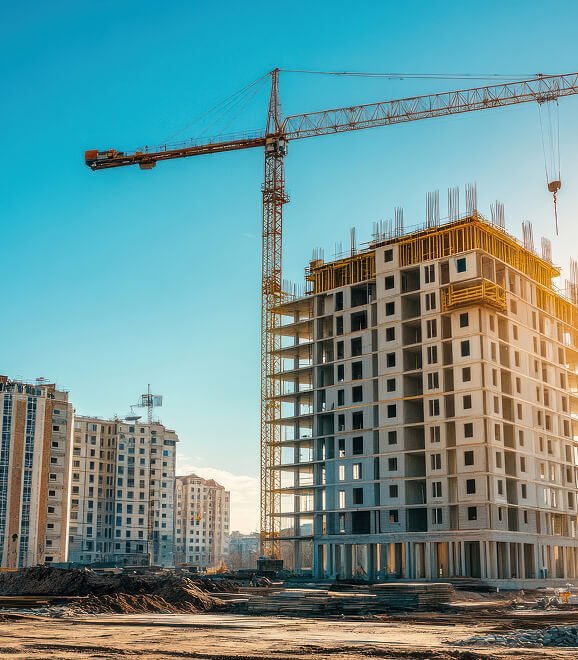
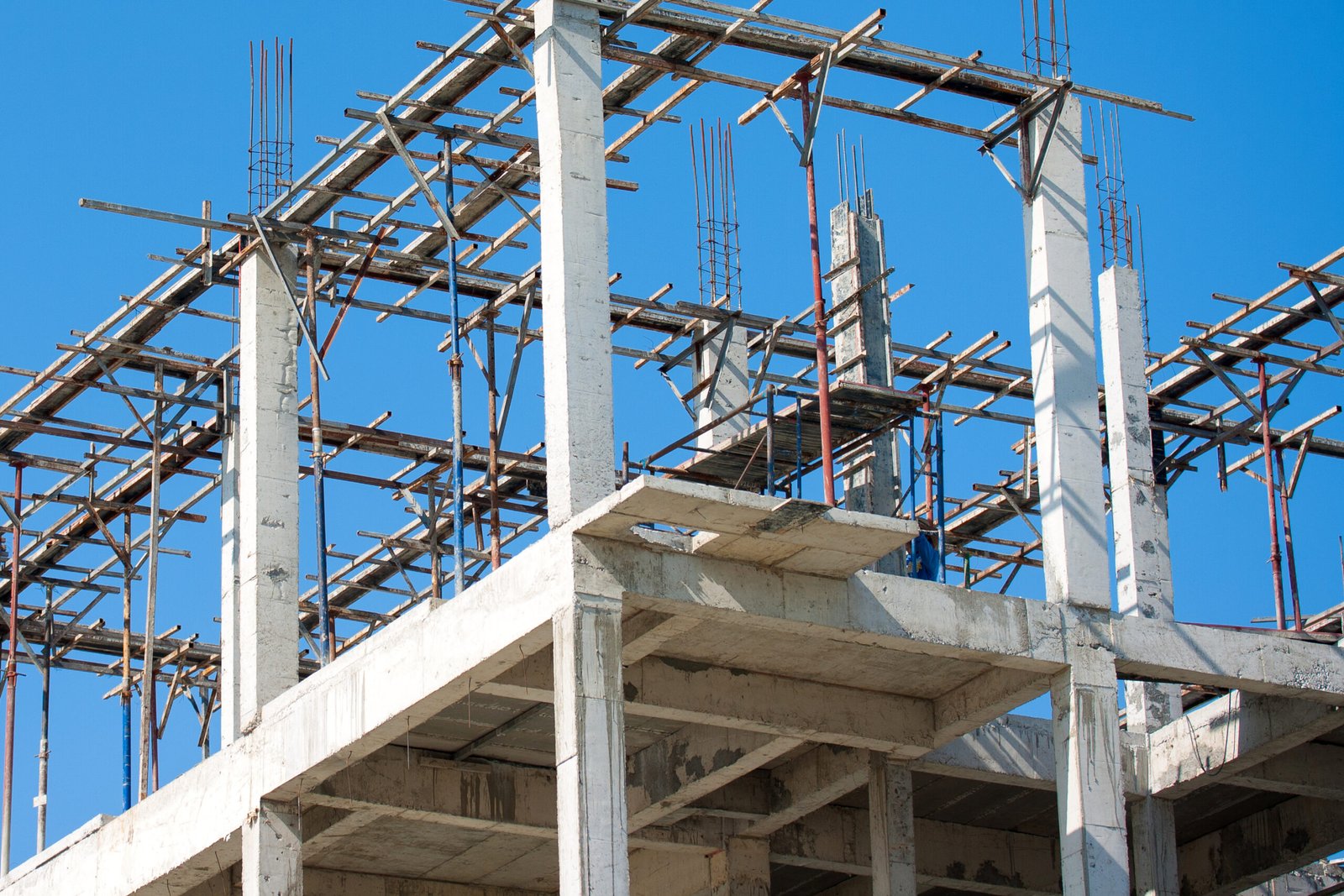
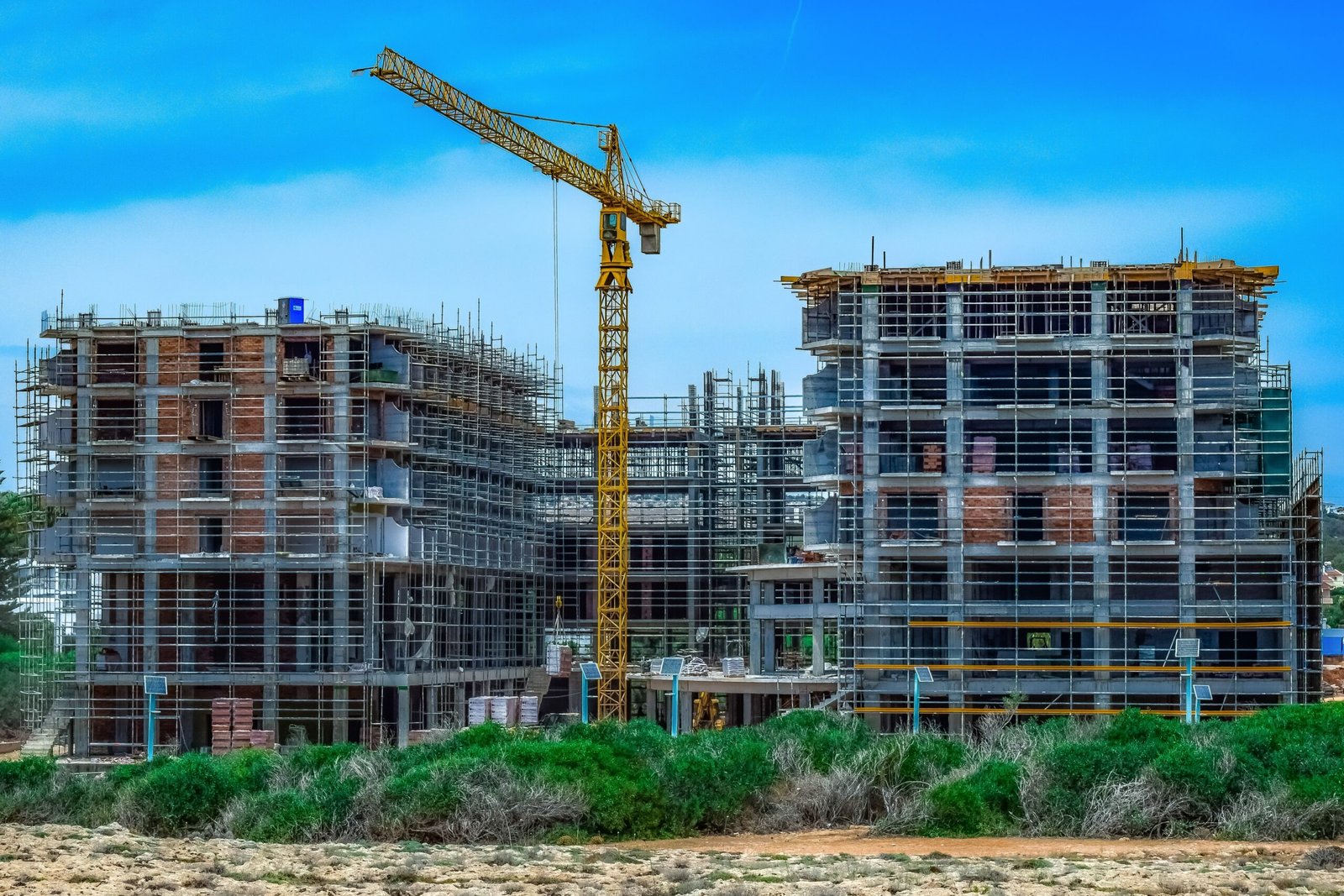
This is the stage when the project starts to take shape. At this point, all building work, new setups, and civil works happen as planned in the design.
The contractor takes care of the work happening at the site. He watches over the team to make sure everyone is doing their jobs. The work moves forward as planned. Safety and good work standards are kept all the time during this part.
5. Testing and Commissioning
Before the project is given to you, all the systems and structures will be checked very carefully. This is to make sure that everything works the way it should and also follows all the rules that are needed.
Any problems found during testing need to be fixed before the final delivery.
6. Final Handover
The finished project is given to the client so it can be used right away. There is no need for more work or planning. The client can start using the place at once.
Why Turnkey Project Delivery Saves Time?
Saving time is one of the best things about this way. When there are delays in building, costs can go up. People also can miss out on chances. So, finishing on time is very important.
Streamlined Communication
When you have one contractor handling the full project, it gets easier to talk with everyone. You do not have to go back and forth between a lot of vendors. This helps stop holdups that come from mixed-up messages.
Overlapping Project Phases
In traditional construction, you do one phase at a time. You finish one phase before starting the next. But in turnkey projects, design, buying materials, and project execution can happen at the same time. This helps to save a lot of time for the whole project.
Faster Decision-Making
All teams work under one group. So, they can make choices fast and do not need to wait a long time for people to say yes. This helps keep the project moving forward.
Efficient Resource Allocation
Integrated planning helps to make sure that resources are used in the best way. It lines up materials, labor, and equipment so there is less downtime. This way, you get more work done in less time.
Cost Efficiency in Turnkey Projects
Managing costs is one big problem in the building world. A turnkey delivery can help a lot with this.
Accurate Cost Estimation
Because the contractor looks after every part of the project, they can give you a good idea of what the costs will be right from the start. This helps to cut down on any surprise costs.
Economies of Scale
Contractors often get materials in large amounts. This can help bring down the cost. When they work with suppliers for a long time, they also get better prices.
Reduced Administrative Costs
Managing many contractors needs more time and effort. You also need extra resources to keep things organized. If you have just one contractor, things are easier to handle. This can help cut down on your costs.
Minimal Rework
When you use both design and building work together, you get fewer mistakes. This means you will not have to fix things as much, so you save money.
Risk Reduction in Turnkey Construction
Every building job comes with some risks. But this way helps you handle them in a better way.
Single Point of Accountability
When you have one contractor handle the whole project, it is clear who is in charge. Problems get fixed fast and in a good way.
Improved Quality Control
Making sure all steps are the same helps give better results.
Reduced Legal Risks
Fewer contracts mean there are less disputes. This also makes it less likely for any legal problems to come up.
Predictable Outcomes
Simple timelines and budgets help make project results more expected. This way, there is less doubt about what will happen.
Turnkey vs Traditional Project Delivery
| Factor | Turnkey Model | Traditional Model |
| Responsibility | Single contractor | Multiple contractors |
| Coordination | Simple | Complex |
| Timeline | Faster | Slower |
| Cost Control | Strong | Variable |
| Risk | Lower | Higher |
| Client Effort | Minimal | High |
Applications Across Industries
Turnkey construction is common in many areas. People use it because the process is quick and it works well every time.
Residential Projects
Homeowners get a smooth and easy experience with complete end-to-end construction that is handled by professionals.
Commercial Developments
Office buildings, retail spaces, and other business complexes need good teamwork. This way makes it easy for them to work well together.
Industrial Projects
Factories and warehouses need things to be done in the right way and on time. Turnkey delivery helps make this happen well.
Infrastructure Development
Big infrastructure delivery projects get a lot from smooth management and fewer hold-ups.
Role of Technology in Modern Execution
Technology is very important to help execution systems work better today.
- Building Information Modeling helps make design work more right.
- Project management tools help team work better together.
- Automation helps people do more work.
- Data analytics helps people make better choices.
These tools help to make sure that things are clear, correct, and smooth at every step of the project.
Challenges of Turnkey Project Delivery
This way of doing things has many good points. But, it also has some problems.
Limited Client Involvement
Clients may not get to make every daily decision, and this can worry some people.
Dependence on Contractor
The way the project turns out depends a lot on how much the contractor knows and how much people can trust them.
Initial Cost Perception
Even though you get good savings over time, the first cost may look higher than other usual ways.
How to Choose the Right Contractor?
Choosing the right contractor is very important because it helps with project delivery.
- Look at the experience and skill.
- Go over past projects and work done.
- See if the right certifications and licenses are there.
- Think about how well they talk and how open they are.
- Think about what clients say and read their reviews.
A good contractor will make sure things go well. You can also count on them to give you good results.
Future of Turnkey Construction
The demand for combined building solutions is going up fast. Companies want to finish jobs in less time and get more done with good methods.
As new technology keeps growing and things get more complex, turnkey models will be more important in construction planning. These models will also help shape how work is done in the future.
Conclusion
Turnkey project delivery gives a simple way to handle building work. A single contractor takes care of each step. This helps the work go smoother, lowers risks, and helps everyone finish on time.
For people who want something they can trust, save money, and have more say in what they pay, this model is a good and useful choice. The building world keeps changing, and turnkey delivery can become even bigger in the future.
Frequently Asked Questions
1. What is turnkey project delivery?
Turnkey project delivery is a way to build where one contractor takes care of the whole job. This means they handle planning, design, building, and giving the project to the client at the end. When the work is done, the client gets the project in a condition that is good to use right away. The client does not need to do anything else after getting the job back.
2. How does it save time?
This way helps you save time because you do not have to work with many contractors and vendors. One team will take care of every part like design, buying materials, and doing the job. These steps can also happen at the same time. This simple process means there are fewer delays. Your project gets done faster than with old methods.
3. Is it cost-effective?
Yes, turnkey construction is good for saving money because the planning and budget are set from the start. Contractors can give better price estimates and help cut extra costs by using the right tools and people in the right way. Also, buying in bulk and having less rework help to keep the project from going over the budget.
4. What types of projects use this model?
Turnkey project delivery is popular in many areas. You can see it in homes, office buildings, factories, warehouses, and public utilities. It works well for projects that are big or small, because it is flexible and helps things get done the right way.
5. What are the main risks?
The main risks are relying on just one contractor and not having the client involved in day-to-day choices. If the contractor is not skilled or trustworthy, it can affect how the project turns out. But you can lower these risks by choosing the right contractor who has the needed skills and experience.
6. Can projects be customized?
Yes, turnkey projects can fit what the client wants during planning and design. The client can pick things like layouts, materials, and special features before building starts. It is good to make choices early, because after the work begins, it becomes hard to make changes. Good planning from the start helps get the results you want.
7. Why is this approach popular?
This way of working is liked by many because it makes it easier to manage a project and helps take away stress for clients. It lets the job get done faster, keeps costs in check, and lowers risk when compared to old ways. Since there is one person handling everything, clients get smoother work and results that you can count on.